
X Close Dormouse Project 2023 season summary
Monitoring stations and the number of volunteers keeps growing through the time. In Catalonia, during 2023 data has been collected from 52 active stations, which consist of a total of 480 nest boxes.

In addition, 6 new linear stations have been started in Catalonia, five of these stations have been created within the Barcelona Provincial Council Parks Network (Montseny NP, Montnegre i el Corredor NP and Sant Llorenç del Munt i l'Obac NP) and one outside this area, within the municipality of Vidrà.

As an important new feature of the project, the first stations outside the Iberian Peninsula have been started, specifically in Germany. Thanks to the involvement of Pedro Mittelman and the ‘Enrico’ project team of the University of Göttingen, 20 stations have been installed, with a total of 159 nest boxes.
The Garden dormouse in the spotlight
Until 2023 there were 8 specific stations to collect information on this dormouse species in Catalonia. The status of their populations is very uncertain in Europe, so it is of great importance to focus efforts to learn more about the species.
For this reason, we are part of the European working group for the conservation of the garden dormouse. This group was created with the aim of bringing together experts from all the European countries where the species is found and to exchange ideas on the possible causes of its decline. In addition, it also wants to create a recovery plan for the species at European level. To find out more, visit the Mammal Conservation Europe website.

A 2023 with few dormice, especially in Mediterranean areas
Below, we present the main results collected in 2023 for each type of protocol (Advanced or with manipulation and Basic or without manipulation) and sampling effort.
With the following graph, we show you that following the results of 2022, 2023 has been one of the worst years in the southernmost stations since dormice monitoring has been carried out in Catalonia.

LINEAR STATIONS - BASIC PROTOCOL (6 boxes/station)
In the 26 active stations where the basic protocol is applied (without manipulation) dormice have been observed in 10 stations, with a total of 26 observations. At ‘Fageda de les Dous’ station (Parc del Castell de Montesquiu) the maximum value has been counted, with 5 observations.

Regarding the 20 stations in Germany, 15 individuals of edible dormouse have been observed in 3 different stations as well as other arboreal species such as the yellow-necked mouse (Apodemus flavicollis) and the hazel dormouse (Muscardinus avellanarius), the smallest dormouse in Europe. The latter is the first record of this species on the web because it is an absent species in our forests.
LINEAR STATIONS - ADVANCED PROTOCOL (6 boxes/station)
Of the 11 active stations with advanced protocol (with manipuation), 52 different dormice have been captured at 7 stations, with a maximum of 10 different individuals at the AranPark station (Aran Valley).

Of these 52 dormice captured, 74,6% are adults (two or more years old), 6,35% are yearlings (one year old) and 19% are juveniles (born in 2023). The sex ratio of the captured individuals is very even, with 44,4% males and 55,6% females.

The edible dormouse returns to the Vallclara station in the Espai Natural de les Guilleries-Savassona! Dormice had not been detected at this station since 2011, due to a significant logging in the area. The good news is that, after such a long time, in 2023 a dormouse was found in one of the monitoring boxes. Situations like this make us understand the importance of proper forest management, which has a direct impact on the wildlife that inhabits them.
PLOT STATIONS - ADVANCED PROTOCOL (20 boxes/station)
Between the 12 stations spread over the different natural areas of Catalonia, 23 different individuals have been captured in 7 stations.

Of the 23 dormice captured, 52% are adults (two years old or more), 8% are yearlings (one year old) and 40% are juveniles (born in 2023). The sex ratio of the individuals captured was in favour of males, with 68% males and 32% females.

It should be noted that in 2023, following the same line as in 2022, there has been a decline in captures in Mediterranean areas. A clear example is the Montseny NP (grey bars), where the last two years have seen the lowest number of individuals caught since the beginning of the monitoring and in 2023 no breeding females have been found.
Your occasional sightings count too!
As part of the project, we collect occasional sightings thanks to the web form available since 2020 on the lirons.org portal. Throughout 2023, we have received 10 sightings of garden dormice and 26 sightings of edible dormice. These records are essential for discovering new distribution, refuge or hibernation sites of these species.

More Dormice Days than ever
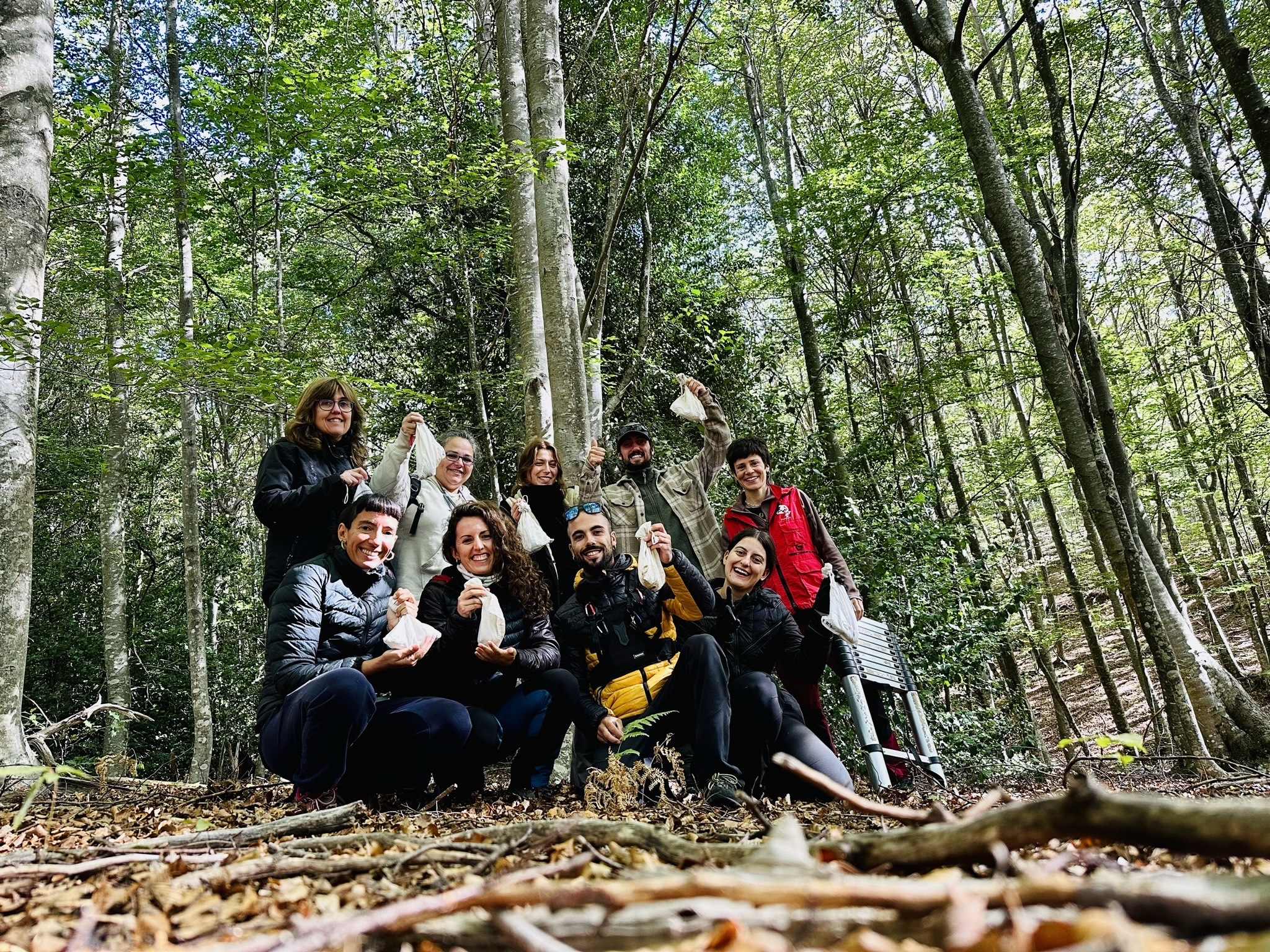
Thanks to the involvement of different organisations and collaborators, 10 Dormice Days were held in 2023 (the double as last year!) with the aim of disseminating the project and monitoring the edible dormouse in Catalonia.
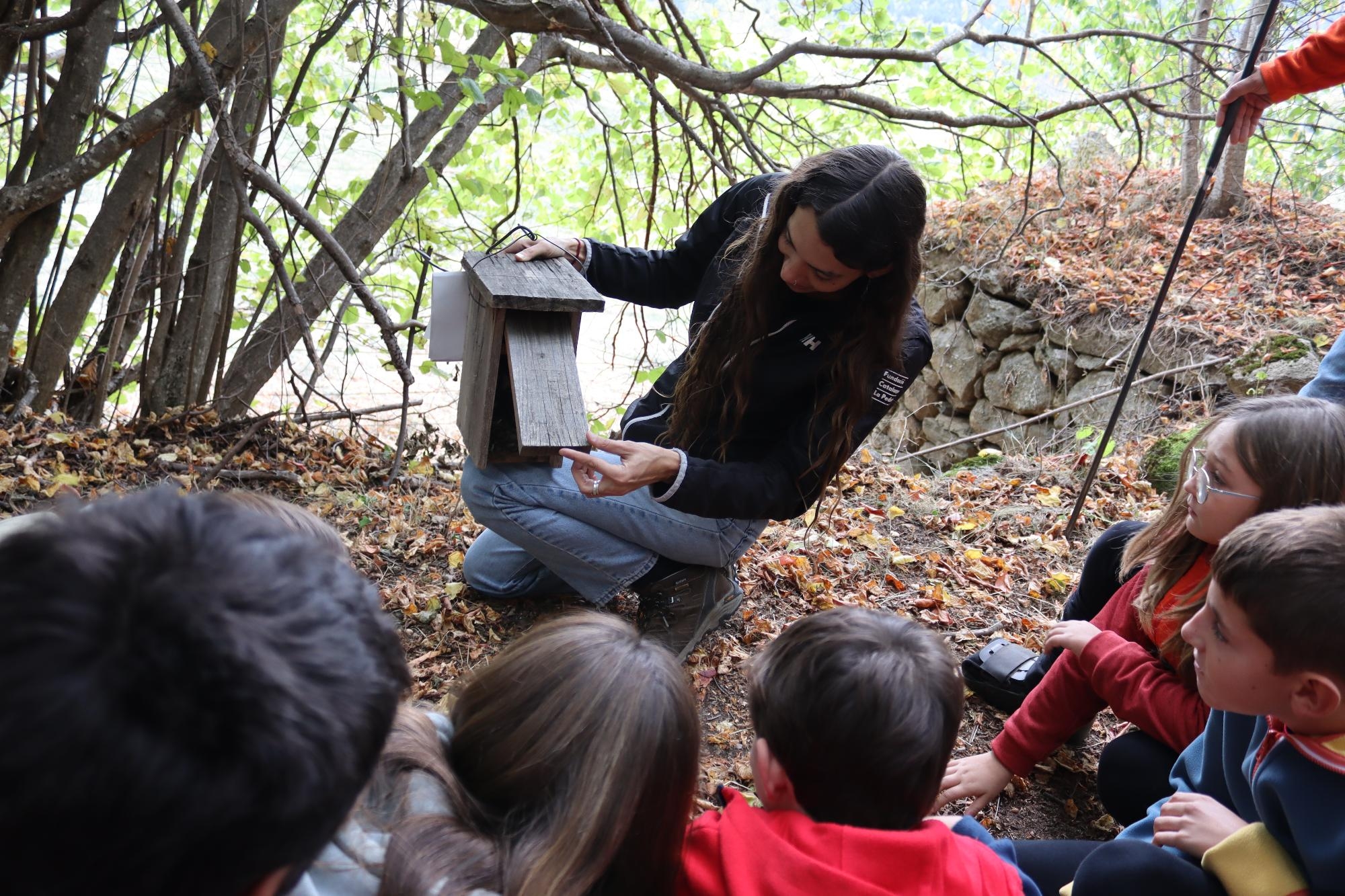
Furthermore, on 23rd and 24th September, the fourth edition of the edible dormouse course was held at the Fontmartina biological station, within the Montseny Natural Park and Biosphere Reserve, where a total of 7 people participated and enjoyed theory and practice sessions in a very intense weekend.
Congresses and publications
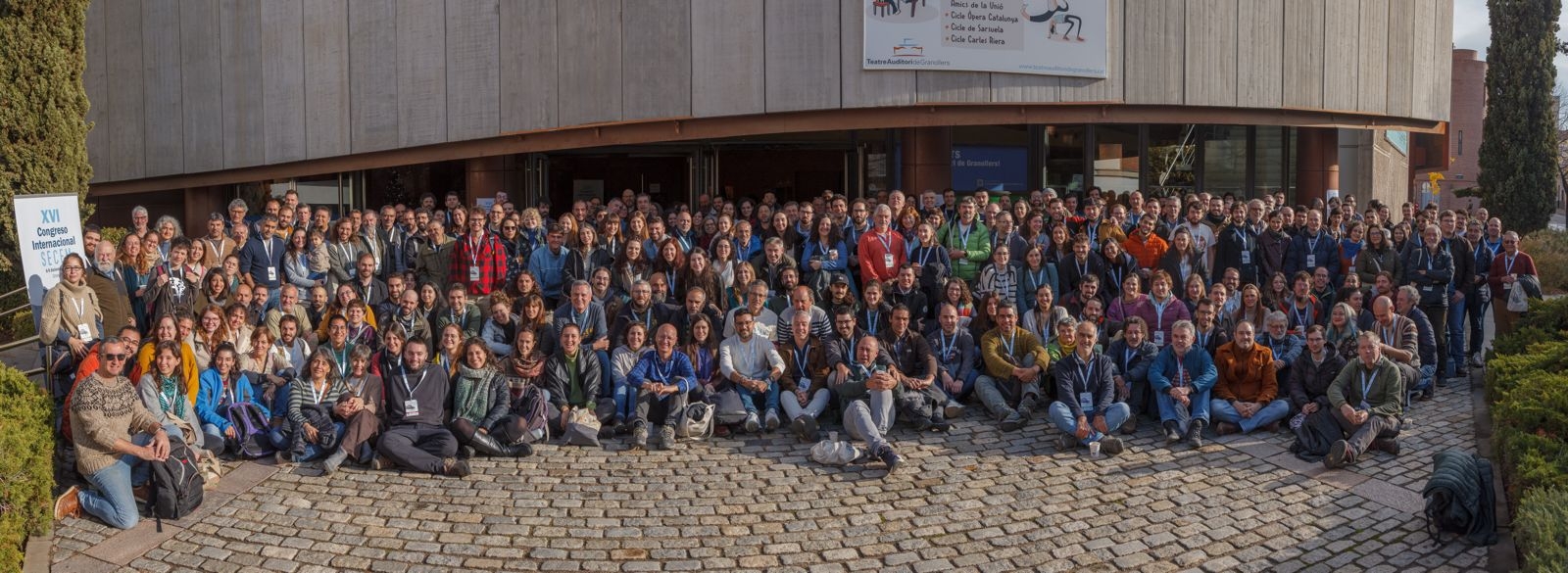
This 2023 Granollers hosted from 9 to 13 December 2023 the XVI SECEM Congress, with the edible dormouse as the icon of this edition. We took the opportunity to present the work on the acoustics of the edible dormouse and the trophic ecology of this species.
Finally, we attach a link to a paper published in May 2023 on the influence of maternal weight and geographical factors on the characteristics of edible dormouse offspring in the populations studied within the project, with data from 2004 to 2021.
Once again, THANK YOU VERY MUCH to all of you for making this possible and good luck for the 2024 fieldwork season!!!
Photo and video credits:
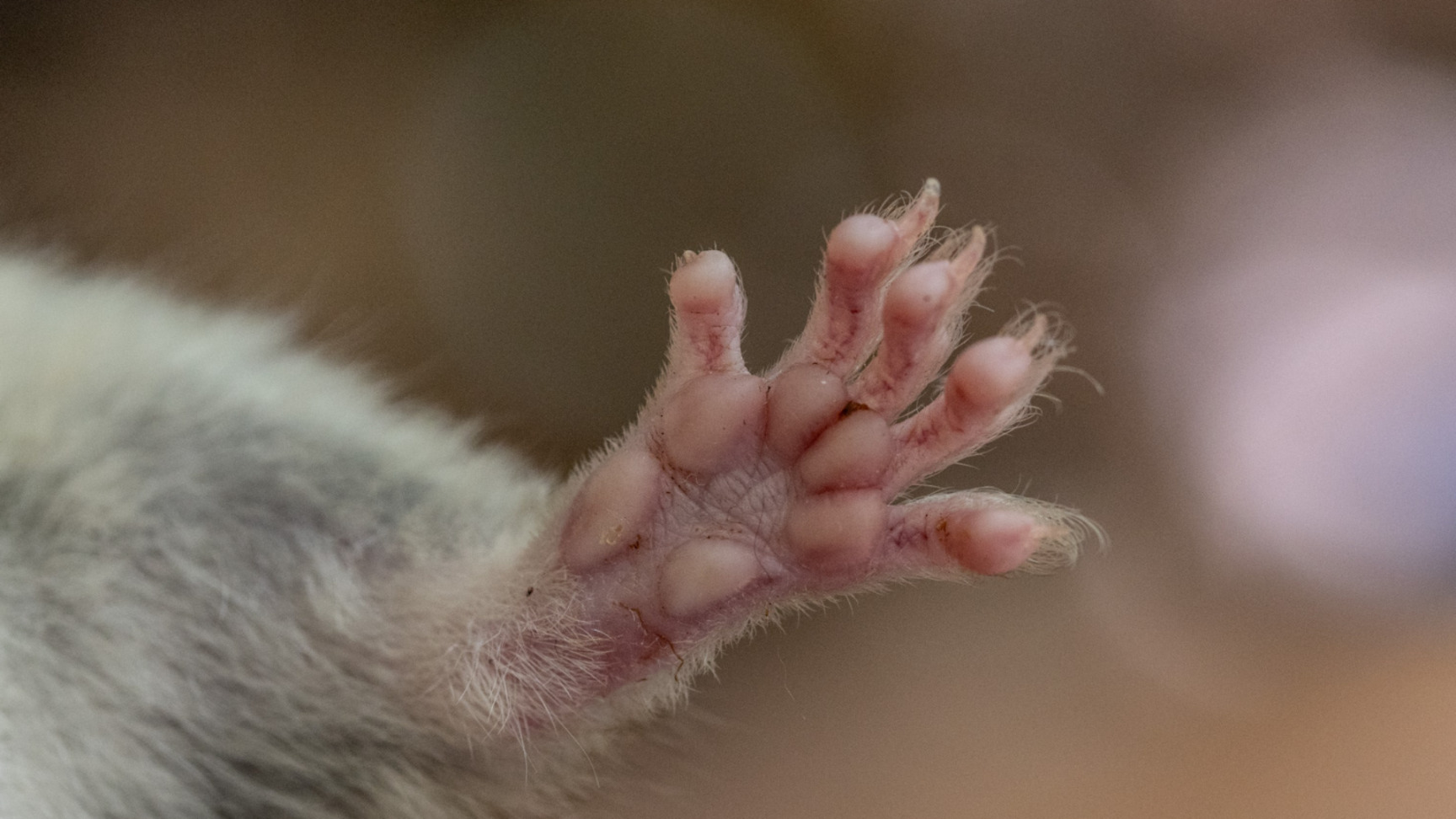
Cover, grey dormouse foot (Glis glis) - Edgar Madrenys
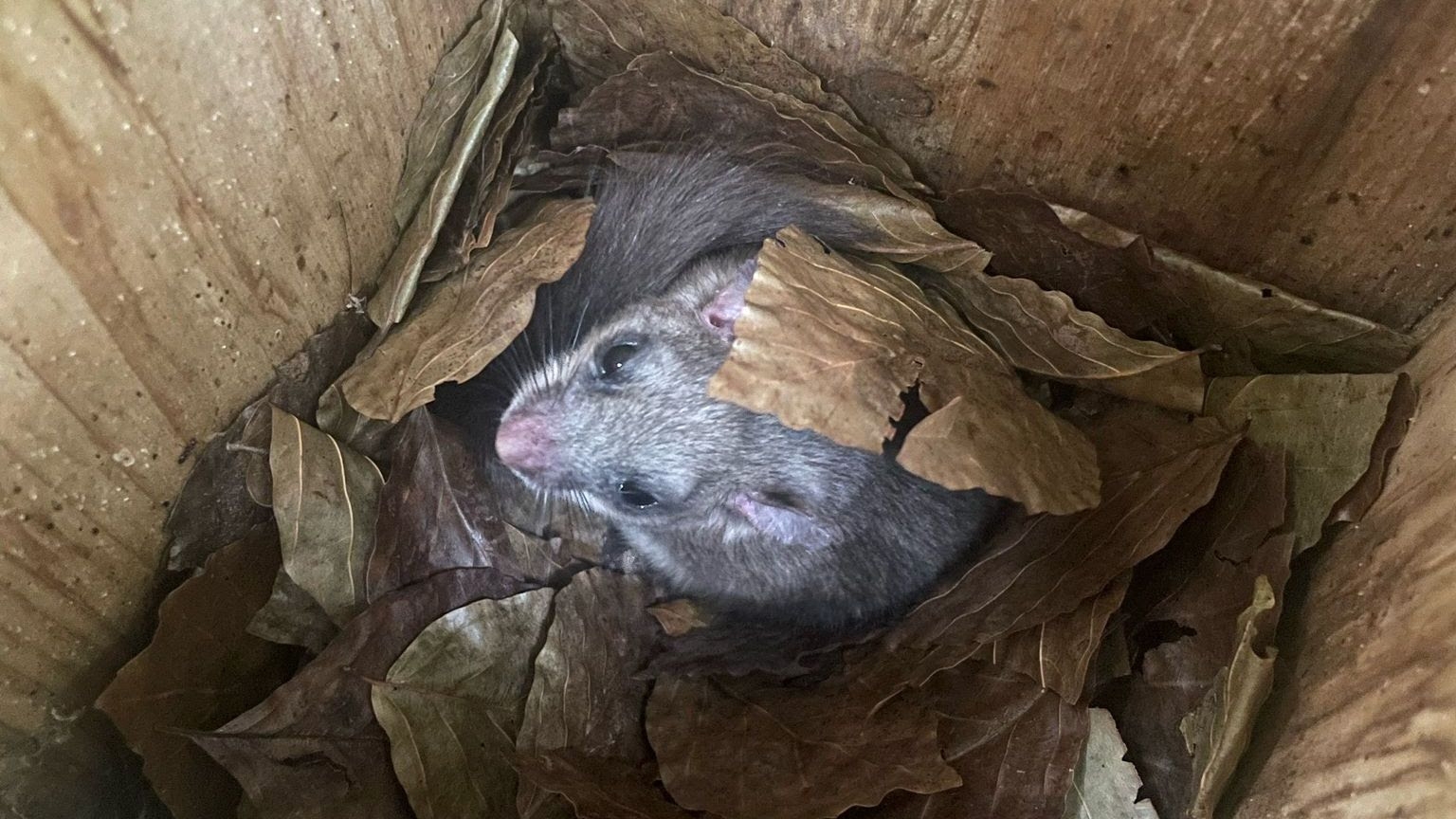
Edible dormouse inside a nest box - Joan Pareja
Photograph of dormice days - MonNaturaPirineu
Return
Contact | Legal notes | Credits | Subscripció al butlletí

